

When summer temperatures rise in Queens, NY, a working air conditioner is essential for keeping your home comfortable. It can be frustrating when your AC suddenly blows warm air, struggles to cool every room, or starts making unusual noises. While some issues have simple solutions, others require professional attention before they turn into expensive repairs. If you’re searching for air conditioner repair, understanding the possible causes of these problems can help you act quickly and prevent further damage to your cooling system.
Understanding how your cooling system works and recognizing early warning signs can help you avoid unexpected breakdowns during the hottest months of the year. In this guide, you’ll learn about the most common air conditioning problems, what causes them, what you can safely check yourself, and when it is time to call an HVAC professional. Smart Air NYC has helped homeowners across Queens keep their cooling systems running efficiently, and these practical tips can help you make informed decisions when your AC is not performing as it should.
Why Air Conditioners Often Struggle During Queens Summers
Queens experiences long periods of heat combined with high humidity, which means your air conditioner works harder than it would in many other climates. Older homes, constant daily use, and outdoor dust can all affect the performance of your cooling system.
These local conditions can increase wear on important components such as the compressor, fan motor, and evaporator coil. Even a well-maintained unit can experience problems after running continuously during peak summer weather.
Keeping an eye on your system throughout the season helps you catch small issues before they become larger and more expensive repairs.
Signs Your Air Conditioner May Need Repair
Most air conditioners give warning signs before they stop working completely. Paying attention to these changes can save you money and help prevent a complete system failure.
Warm Air Coming from the Vents
If your thermostat is set correctly but warm air is coming through the vents, your system may have a refrigerant leak, compressor issue, or restricted airflow. This is one of the most common reasons homeowners search for air conditioner repair during the summer.
Weak Airflow Throughout the Home
When cool air barely reaches certain rooms, the problem could be as simple as a clogged air filter or as serious as a failing blower motor. Poor airflow also forces your system to work harder, increasing energy consumption.
Strange Sounds During Operation
Your air conditioner should run quietly. Grinding, rattling, squealing, or buzzing sounds often indicate loose parts, worn bearings, electrical issues, or motor problems. Ignoring unusual noises can lead to more extensive damage.
Unpleasant Smells
A musty smell may suggest mold or mildew inside the system, while a burning odor could indicate an electrical problem. Any persistent odor should be inspected by a qualified technician.
Water Around the Indoor Unit
Small amounts of condensation are normal, but standing water is not. A clogged condensate drain or frozen evaporator coil can cause leaks that may damage your floors or walls if left untreated.
Your AC Turns On and Off Too Frequently
Frequent cycling often points to thermostat issues, restricted airflow, or an improperly sized system. Besides reducing comfort, short cycling places additional strain on your equipment.
Why Is Your Air Conditioner Running but Not Cooling?
One of the most common questions homeowners ask is why their AC appears to be running but the house never gets cooler. Several issues can cause this problem.
Dirty Air Filters
A clogged air filter restricts airflow, making it difficult for cool air to circulate throughout your home. Over time, this can also cause the evaporator coil to freeze, making the problem even worse.
Replacing your filter every one to three months is one of the easiest ways to improve system performance.
Low Refrigerant
Refrigerant absorbs heat from inside your home and releases it outdoors. If refrigerant levels become low because of a leak, your air conditioner cannot cool efficiently.
Unlike changing a filter, refrigerant issues should always be handled by a licensed HVAC technician.
Frozen Evaporator Coil
When airflow becomes restricted or refrigerant levels are too low, moisture on the evaporator coil can freeze.
Signs of a frozen coil include:
Little or no airflow
Ice on indoor refrigerant lines
Water around the indoor unit after the ice melts
Simply turning the system off may allow the ice to melt, but the underlying problem still needs to be corrected.
Dirty Outdoor Condenser
The outdoor unit releases heat collected from inside your home. If dirt, leaves, or debris block the condenser, the system cannot release heat efficiently.
Keeping at least two feet of open space around the outdoor unit helps maintain proper airflow.
Thermostat Problems
Sometimes the problem is not the air conditioner itself. Incorrect thermostat settings, weak batteries, or faulty sensors can prevent the system from maintaining your desired indoor temperature.
Checking the thermostat should always be one of your first troubleshooting steps.
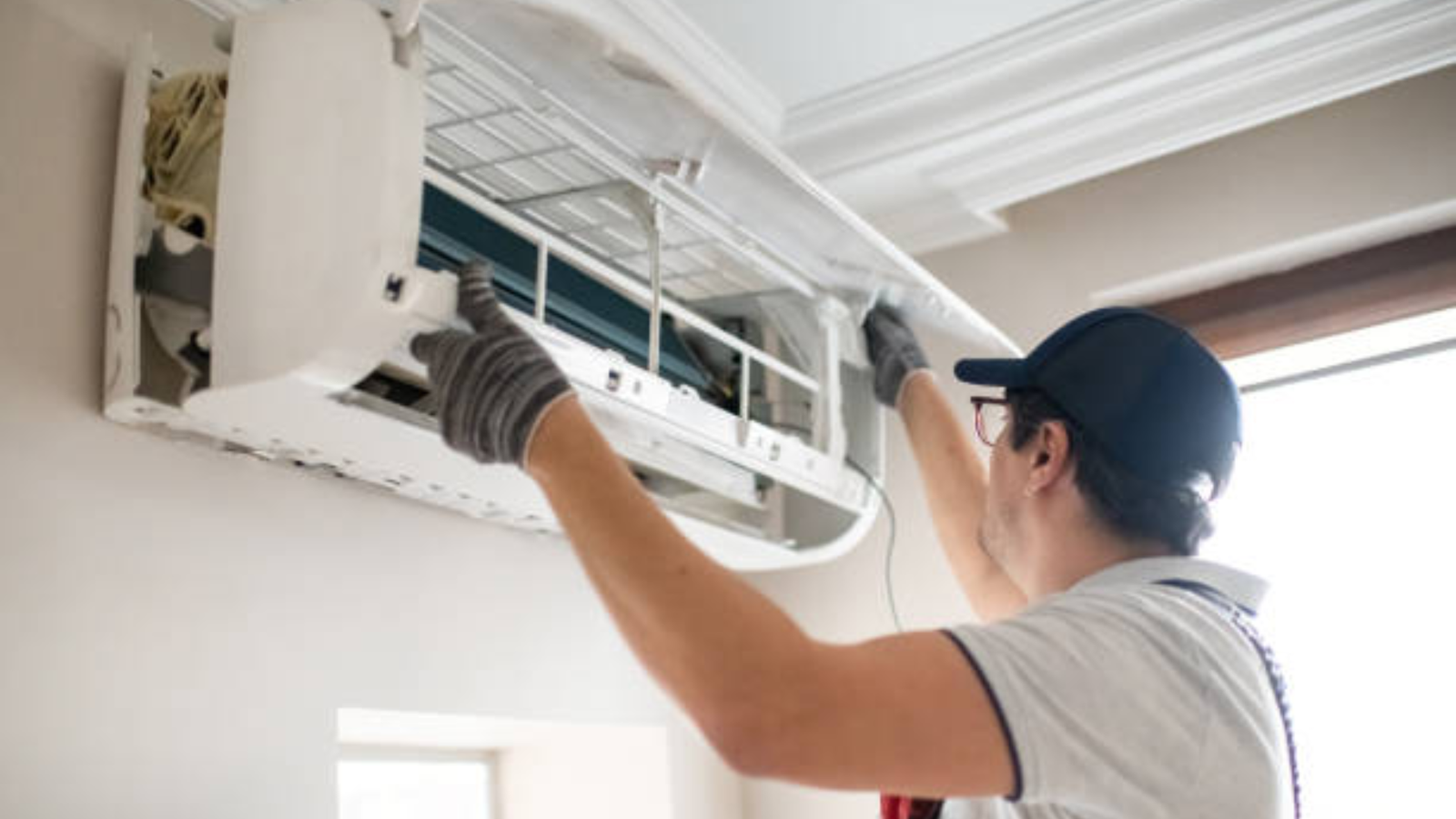
What Can Homeowners Check Before Calling for Service?
Not every cooling problem requires immediate professional repair. There are a few simple checks you can safely perform before scheduling a service appointment.
Start by asking yourself these questions:
Is the thermostat set to Cool?
Is the temperature set lower than the current room temperature?
Has the air filter been replaced recently?
Are all supply and return vents open?
Is the outdoor unit free from leaves, branches, or debris?
Has a circuit breaker been tripped?
These basic checks solve many common cooling issues and may restore normal operation without additional repairs.
If your system still does not cool properly after completing these steps, it is time for a professional inspection.
When Should You Call an HVAC Professional?
While homeowners can safely perform basic troubleshooting, certain problems should never be ignored.
Contact an HVAC professional if:
Your AC blows warm air for an extended period.
The system repeatedly trips the circuit breaker.
You notice burning smells or smoke.
Ice continues forming on the evaporator coil.
Water leaks continue after changing the filter.
The system makes loud grinding or banging noises.
Cooling performance continues to decline despite basic maintenance.
A trained technician has the equipment needed to diagnose electrical problems, refrigerant leaks, airflow restrictions, and mechanical failures accurately. Attempting complex repairs without proper training can create additional damage and increase repair costs.
How Professional AC Repairs Save Money Over Time
Many homeowners postpone repairs because the system is still running. Unfortunately, minor problems rarely fix themselves. A loose electrical connection, failing capacitor, or refrigerant leak can gradually place extra stress on other components.
Early repairs often provide several long-term benefits:
Lower monthly energy bills
Improved indoor comfort
Fewer unexpected breakdowns
Longer equipment lifespan
Better indoor air quality
Addressing small issues before they become major failures is usually the most cost-effective way to keep your air conditioner operating efficiently.
What Happens During a Professional AC Inspection?
When basic troubleshooting does not solve the problem, a professional inspection helps identify the exact cause of the issue. Rather than replacing parts based on guesswork, HVAC technicians use specialized tools to test how your system is performing.
A typical inspection includes checking:
Refrigerant pressure
Airflow throughout the system
Electrical connections
Thermostat accuracy
Condenser and evaporator coils
Blower motor and fan operation
Condensate drain line
Compressor performance
After completing the inspection, the technician explains the findings and recommends the most effective repair. This approach helps homeowners understand what needs attention and why the repair is necessary.
Why Preventive Maintenance Matters
Many air conditioning repairs can be avoided through routine maintenance. Even if your system seems to be working well, annual service helps identify worn components before they fail during the hottest days of summer.
Professional maintenance typically includes cleaning, testing, and inspecting every major part of the system to ensure it operates safely and efficiently.
Some of the most valuable maintenance tasks include:
Replacing or cleaning air filters
Cleaning condenser and evaporator coils
Checking refrigerant levels
Testing electrical components
Lubricating moving parts
Clearing the condensate drain
Inspecting safety controls
Verifying thermostat operation
Scheduling heating and cooling maintenance before summer begins gives your air conditioner the best chance of performing reliably throughout the season.
Simple Habits That Can Help Prevent Repairs
While regular professional maintenance is important, homeowners can also take a few simple steps to keep their cooling system in good condition.
Replace your air filter regularly, especially during periods of heavy use. Keep furniture away from indoor vents so cool air can circulate freely. Outside, remove leaves, grass clippings, and debris from around the condenser to maintain proper airflow.
It is also a good idea to pay attention to changes in your system’s performance. If you notice unusual noises, reduced airflow, or longer cooling cycles, scheduling an inspection early can prevent more expensive repairs later.
These small habits require very little time but can make a significant difference in the efficiency and lifespan of your air conditioner.
Why DIY AC Repairs Are Not Always a Good Idea
Many homeowners search online for quick repair videos when their air conditioner stops working. While replacing an air filter or checking thermostat settings is perfectly safe, most AC repairs involve electrical components and refrigerant that require specialized knowledge.
Attempting complex repairs without proper equipment can:
Damage expensive components
Create electrical safety hazards
Void manufacturer warranties
Increase overall repair costs
Cause the same problem to return
Professional technicians are trained to diagnose problems accurately and complete repairs according to manufacturer specifications. In many cases, expert service saves both time and money by fixing the issue correctly the first time.
Common Cooling Challenges for Queens Homeowners
Homes in Queens face unique conditions that can affect air conditioning performance.
Older homes may have aging ductwork or HVAC systems that are less efficient than newer equipment. During long periods of high humidity, air conditioners must remove both heat and moisture from indoor air, causing them to run for longer periods.
Urban environments can also contribute to dust and debris collecting around outdoor condensers, reducing airflow and making the system work harder.
These local factors make regular inspections especially valuable for homeowners who want to avoid unexpected breakdowns during the busiest cooling months.
Should You Repair or Replace Your Air Conditioner?
Many homeowners wonder whether it makes more sense to repair an existing system or invest in a replacement.
The answer depends on several factors, including the age of the equipment, repair history, and overall condition.
Repairing your system is often the better choice if:
The problem is minor.
Your system has been well maintained.
Repairs are infrequent.
The equipment is still operating efficiently.
Replacement may be worth considering if your system frequently breaks down, struggles to cool your home, or requires major component replacements.
A trusted HVAC technician can inspect your equipment and explain your options so you can make an informed decision based on your home’s needs and budget.
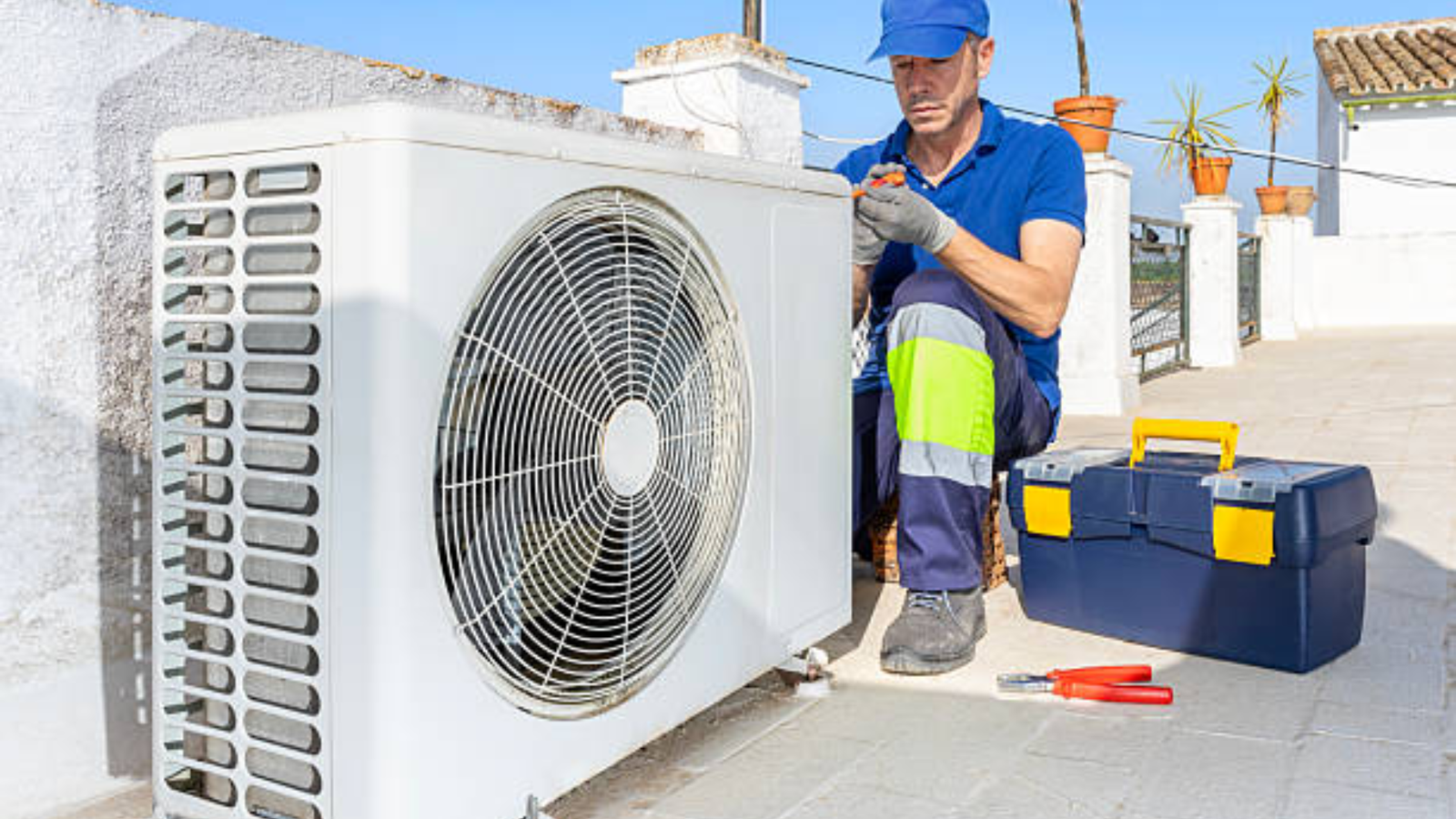
How to Choose an HVAC Company You Can Trust
Finding the right HVAC company is just as important as fixing the problem itself. A qualified contractor will focus on identifying the root cause rather than recommending unnecessary repairs.
When comparing HVAC companies, look for businesses that:
Have experience with residential and commercial cooling systems
Employ licensed and trained technicians
Provide clear explanations before beginning repairs
Offer prompt scheduling during busy summer months
Stand behind the quality of their work
Reading customer reviews and asking questions during the estimate can also help you feel confident in your decision.
Final Thoughts
Air conditioning problems rarely happen without warning. Weak airflow, warm air, unusual noises, and longer cooling cycles are often early signs that your system needs attention. Recognizing these symptoms and taking action early can help prevent costly breakdowns while improving comfort and energy efficiency.
For homeowners in Queens, regular maintenance and timely repairs are especially important because hot, humid summers place additional strain on cooling systems. Knowing what you can safely check yourself and when to call a professional helps protect your investment and keeps your home comfortable throughout the season.
If your air conditioner is not keeping up with the summer heat or you are concerned about its performance, Smart Air NYC is here to help. Our experienced technicians provide reliable inspections, accurate diagnostics, and dependable repair services for homes and businesses throughout Queens.
Contact us today to schedule your air conditioner inspection, repair service, or preventive maintenance appointment and enjoy reliable indoor comfort all summer long.