
As commercial property owners across New York City continue searching for ways to reduce energy costs and improve building performance, water source heat pump technology has emerged as one of the most effective HVAC solutions available today. Modern commercial WSHP systems provide exceptional energy efficiency, flexible zoning capabilities, and long-term operational savings for office buildings, hotels, multifamily properties, schools, and retail facilities.
At Smart Air NYC, we help businesses adopt advanced HVAC technologies that support sustainability goals while maintaining year-round indoor comfort. With increasing energy regulations and rising utility expenses, water source heat pump systems are becoming a preferred choice for commercial building owners seeking reliable and efficient climate control solutions.
This guide explores how commercial WSHP systems work, their benefits, installation considerations, maintenance requirements, and why they represent the future of commercial HVAC in NYC.
What Are Commercial WSHP Systems?
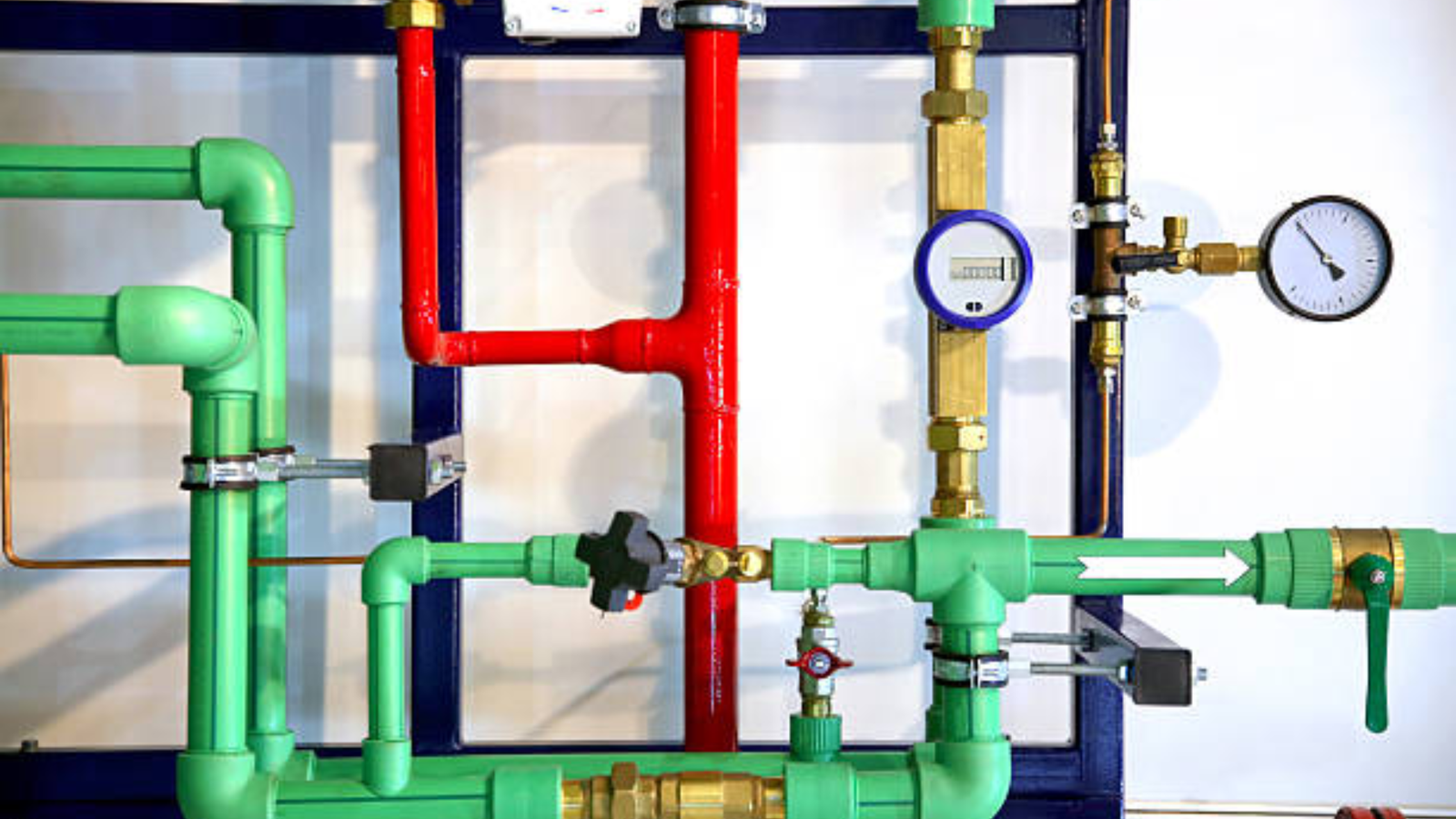
Water source heat pump systems are advanced HVAC solutions that use a common water loop to transfer heat throughout a building. Unlike traditional HVAC systems that rely solely on outdoor air for heat exchange, WSHP systems use water as the medium for transferring thermal energy.
These systems consist of individual heat pump units installed throughout a building and connected to a central water loop. Each unit can independently provide heating or cooling to a specific zone.
Key components include:
Individual water source heat pump units
Central water loop
Cooling tower
Boiler or supplemental heating source
Pumps and controls
Building automation systems
This design allows different areas of a building to operate independently while sharing energy efficiently.
How Water Source Heat Pump Systems Work
Understanding the operation of WSHP systems helps building owners appreciate their efficiency advantages.
During cooling mode, heat is removed from indoor spaces and transferred into the water loop. During heating mode, heat is extracted from the water loop and delivered into occupied areas.
The process typically includes:
Heat absorption from occupied spaces
Transfer of thermal energy through refrigerant cycles
Movement of energy into the shared water loop
Redistribution of energy to areas requiring heating
Continuous balancing through cooling towers and boilers
Because heat can be transferred between zones within the same building, energy that would otherwise be wasted can be reused elsewhere.
Why Commercial Buildings in NYC Are Adopting WSHP Technology
New York City presents unique HVAC challenges due to its dense urban environment, diverse building types, and strict energy regulations.
Commercial property owners are increasingly choosing commercial WSHP systems because they offer solutions to several common challenges.
Benefits include:
Reduced operating costs
Improved energy efficiency
Flexible zoning capabilities
Lower carbon emissions
Better tenant comfort
Compliance with sustainability initiatives
Long equipment lifespan
As NYC continues implementing stricter building performance standards, efficient HVAC technologies are becoming increasingly valuable investments.
Energy Efficiency Advantages of Commercial WSHP Systems
One of the primary reasons commercial property owners invest in WSHP technology is its exceptional efficiency.
Unlike conventional systems that reject heat outdoors, WSHP systems can transfer heat internally between building zones. This process significantly reduces energy consumption.
Major efficiency benefits include:
Simultaneous heating and cooling
Heat recovery opportunities
Reduced compressor workload
Lower utility expenses
Improved seasonal performance
Enhanced building energy ratings
These advantages can result in substantial energy savings over the life of the system.
The Role of Water Source Heat Pump Installation in Building Performance
Proper water source heat pump installation is critical for maximizing system efficiency and reliability.
Even the most advanced equipment cannot perform effectively without correct design and installation practices. Every building requires a customized approach based on occupancy patterns, load calculations, and infrastructure requirements.
Installation considerations include:
Building load analysis
Water loop design
Equipment sizing
Pipe routing
Control integration
Ventilation requirements
Future expansion capabilities
A properly designed system ensures optimal comfort and long-term performance.
Choosing a Professional WSHP Installation Service
Selecting an experienced WSHP installation service is one of the most important decisions a building owner can make.
Commercial HVAC systems involve complex engineering requirements that demand specialized expertise. Professional installation helps minimize costly issues while ensuring compliance with local building codes.
An experienced contractor can provide:
System design consultation
Equipment recommendations
Energy efficiency assessments
Code compliance support
Project management
Testing and commissioning
Long-term maintenance planning
Working with qualified specialists helps ensure a successful project from start to finish.
Zoning Flexibility and Tenant Comfort
Commercial buildings often contain spaces with different heating and cooling requirements.
Conference rooms, offices, retail areas, and server rooms may each require unique temperature settings. Commercial WSHP systems excel in these environments because individual units can operate independently.
Advantages include:
Individual zone control
Improved occupant comfort
Reduced temperature complaints
Enhanced productivity
Greater tenant satisfaction
Flexible space utilization
This level of customization is difficult to achieve with many traditional HVAC systems.
Sustainability and Environmental Benefits
Environmental responsibility is becoming a priority for commercial property owners.
WSHP systems support sustainability initiatives by reducing energy consumption and lowering greenhouse gas emissions.
Environmental benefits include:
Reduced carbon footprint
Lower energy demand
Support for green building certifications
Improved sustainability reporting
Reduced environmental impact
Better compliance with energy regulations
These advantages help organizations meet both operational and environmental objectives.
Water Source Heat Pump Maintenance Requirements
Routine water source heat pump maintenance plays a vital role in preserving system performance.
Preventive maintenance helps identify potential issues before they become costly repairs while ensuring consistent efficiency throughout the year.
Recommended maintenance activities include:
Filter replacement
Coil cleaning
Refrigerant inspections
Pump evaluations
Water quality testing
Control system calibration
Electrical inspections
Regular maintenance can significantly extend equipment lifespan and improve reliability.
Cost Savings and Return on Investment
Although initial installation costs may be higher than some conventional HVAC systems, the long-term financial benefits often justify the investment.
Commercial property owners frequently experience savings through:
Reduced utility bills
Lower maintenance costs
Longer equipment life
Improved tenant retention
Higher property value
Reduced downtime
Over time, these benefits contribute to a strong return on investment.
Comparing WSHP Systems to Traditional HVAC Solutions
Building owners often compare water source heat pumps with traditional rooftop units, chillers, and packaged HVAC systems.
Commercial WSHP systems generally offer:
Higher energy efficiency
Better zoning capabilities
Improved heat recovery
Greater flexibility
Enhanced occupant comfort
Lower lifecycle costs
While every building has unique requirements, WSHP technology consistently performs well in multi-zone commercial environments.
Common Applications for Commercial WSHP Systems
These systems are suitable for a wide range of commercial properties.
Popular applications include:
Office buildings
Hotels
Educational facilities
Healthcare centers
Apartment complexes
Mixed-use developments
Retail centers
Their flexibility makes them an ideal solution for many building types across NYC.
Why Facility Managers Prefer WSHP Systems
Facility managers appreciate HVAC systems that are reliable, easy to maintain, and cost-effective.
WSHP systems offer several operational advantages:
Simplified troubleshooting
Modular equipment design
Reduced downtime
Flexible maintenance scheduling
Improved energy monitoring
Enhanced control capabilities
These features help streamline building operations while supporting long-term efficiency goals.
Future Trends in Commercial HVAC Technology
The commercial HVAC industry continues evolving toward smarter and more sustainable solutions.
Future developments are expected to include:
Advanced building automation
AI-powered energy optimization
Smart sensors
Predictive maintenance technologies
Enhanced heat recovery systems
Greater integration with renewable energy sources
Commercial WSHP systems are well-positioned to support these emerging innovations.
Conclusion
As energy efficiency, sustainability, and tenant comfort become increasingly important in commercial real estate, commercial WSHP systems continue to gain popularity across New York City. Their ability to reduce operating costs, improve indoor comfort, and support environmental goals makes them a smart investment for modern commercial properties.
Whether you’re considering a new water source heat pump installation, searching for a reliable WSHP installation service, or planning ongoing water source heat pump maintenance, partnering with experienced HVAC professionals is essential for long-term success. While unrelated services such as furniture disposal services may support building renovation projects, a properly designed WSHP system remains one of the most impactful upgrades for energy performance.
Smart Air NYC specializes in helping commercial property owners implement advanced HVAC solutions tailored to their building needs. Contact us today to learn how a water source heat pump system can improve your building’s efficiency, comfort, and long-term operating costs.