
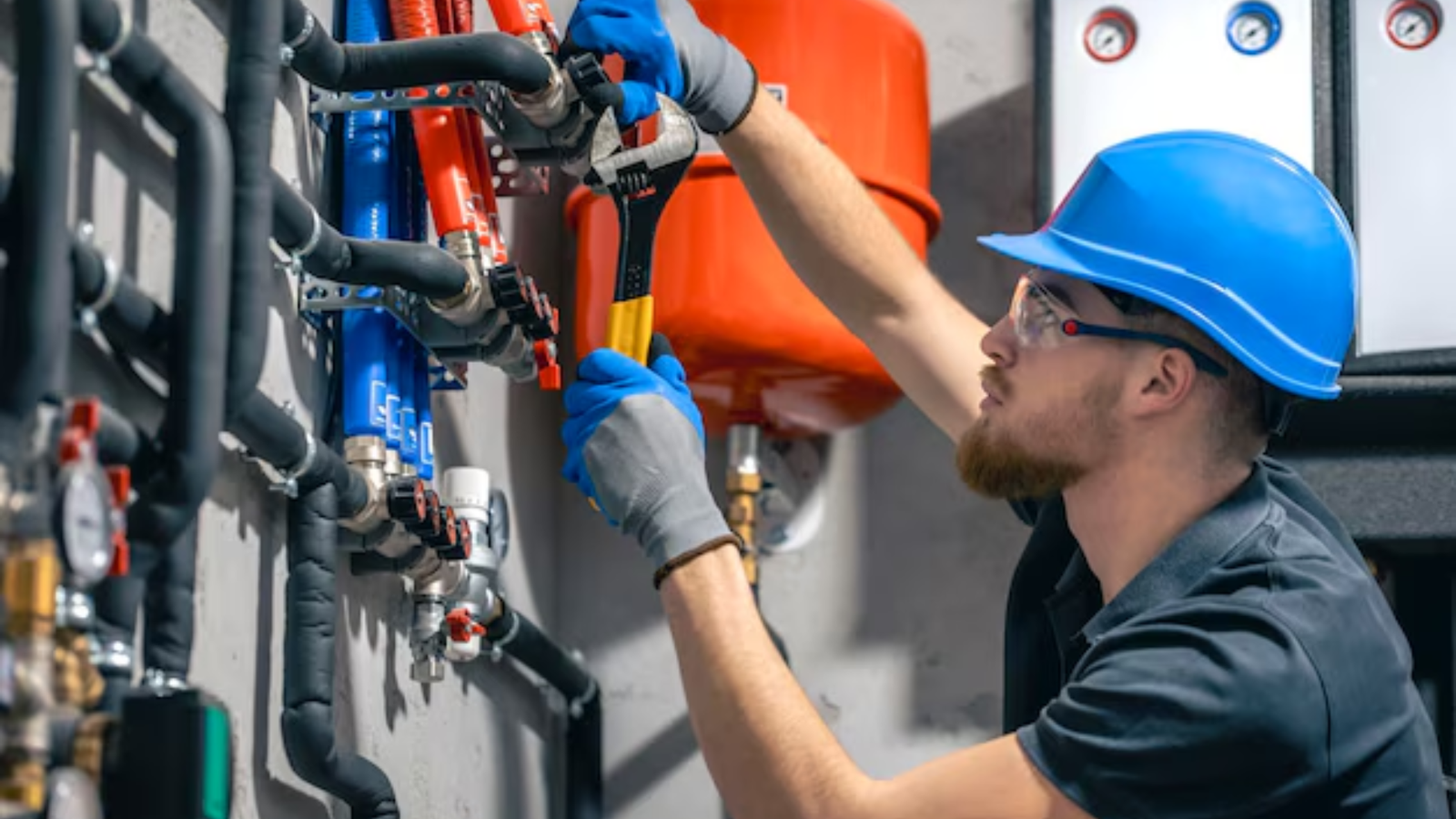
Water Source Heat Pumps (WSHPs) are known for their energy efficiency, consistent comfort, and long service life. Whether installed in office buildings, apartment complexes, hotels, or commercial facilities, these systems provide reliable heating and cooling throughout the year. At Smart Air NYC, we understand that even the most advanced HVAC equipment requires regular care to perform at its best. Proper maintenance not only protects your investment but also reduces operating costs, improves indoor comfort, and minimizes unexpected breakdowns.
If you own or manage a building with Water Source Heat Pumps, following a proactive maintenance plan is the best way to ensure dependable performance for years to come.
Why Is Regular Maintenance Important for Water Source Heat Pumps?
Every HVAC system experiences wear and tear over time, and WSHP units are no exception. Dust buildup, clogged filters, worn electrical components, and improper water flow can all reduce efficiency if left unchecked.
Routine maintenance helps prevent these issues before they become costly repairs. A well-maintained system operates more efficiently, consumes less electricity, maintains consistent temperatures, and experiences fewer equipment failures.
Beyond energy savings, regular service also helps preserve manufacturer warranties and extends the lifespan of your equipment, making maintenance a worthwhile long-term investment.
How Often Should Water Source Heat Pumps Be Serviced?
Maintenance frequency depends on system usage, building occupancy, and operating conditions. However, most commercial properties benefit from professional inspections at least twice a year.
During scheduled maintenance visits, HVAC technicians inspect both heating and cooling functions, identify potential issues, and perform preventative service before seasonal demand increases.
For buildings operating year-round, especially those with commercial WSHP systems, quarterly inspections may provide even greater reliability and efficiency.
Essential Maintenance Tasks That Keep Your System Running Efficiently
Keeping Water Source Heat Pumps operating efficiently involves several routine tasks. These procedures help maximize performance while reducing the risk of expensive repairs.
One of the most important maintenance steps is replacing or cleaning air filters. Dirty filters restrict airflow, forcing the system to work harder and increasing energy consumption.
Technicians also inspect and clean evaporator and condenser coils. Clean coils transfer heat more effectively, improving heating and cooling performance while reducing strain on compressors.
Electrical connections should be tightened and tested during every maintenance visit. Loose wiring can create safety hazards and lead to unexpected equipment failures.
The condensate drain should also be inspected and cleaned to prevent water leaks, mold growth, and moisture damage inside the building.
Proper lubrication of moving parts minimizes friction and reduces wear on motors and bearings, helping equipment operate more quietly and efficiently.
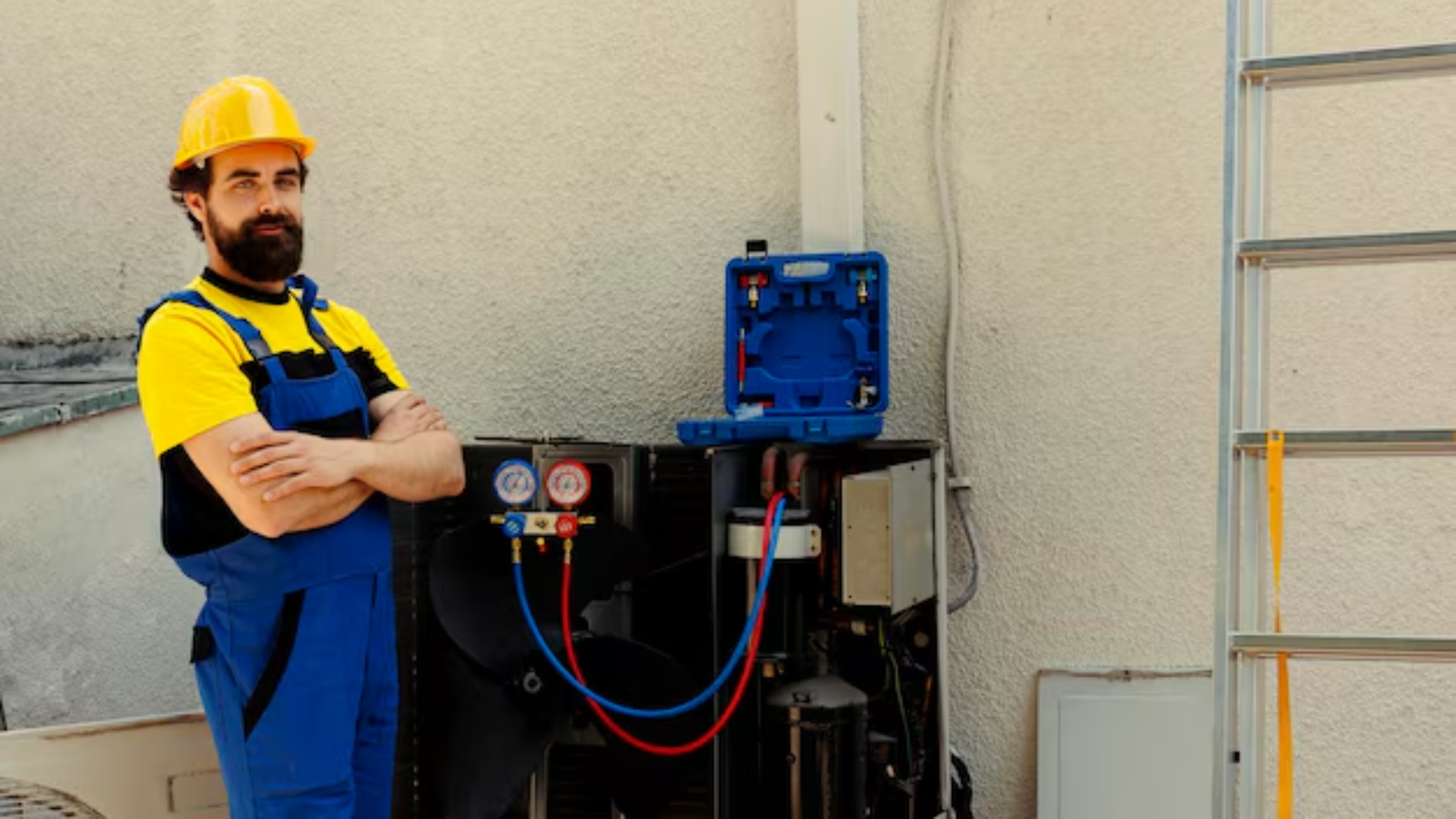
Don’t Ignore the Water Loop
Unlike traditional HVAC equipment, Water Source Heat Pumps rely on a building-wide water loop to exchange heat. This makes water quality and circulation extremely important.
Poor water quality can cause mineral deposits, corrosion, and scaling inside heat exchangers. These issues reduce efficiency and may eventually damage equipment.
Routine inspections should include checking water pressure, temperature, chemical balance, and overall loop performance. Addressing small water-related issues early can prevent significant repairs later.
For large facilities with multiple units, monitoring the shared water loop should be an ongoing part of every water source heat pump maintenance program.
Why Professional Inspections Matter
While property managers can perform simple tasks like replacing filters or checking thermostats, many maintenance procedures require specialized knowledge and equipment.
Professional HVAC technicians inspect refrigerant levels, test compressors, evaluate electrical performance, verify airflow, inspect valves, and identify hidden mechanical problems before they become major failures.
They also use diagnostic tools that can detect performance issues not visible during routine visual inspections.
Investing in regular professional service significantly reduces emergency repairs and helps maintain peak operating efficiency.
Signs Your Water Source Heat Pump Needs Immediate Attention
Even with regular maintenance, it’s important to recognize warning signs that indicate service is needed.
If your system produces unusual noises, struggles to maintain temperature, cycles on and off frequently, or causes unexpectedly high utility bills, professional inspection should be scheduled promptly.
Other warning signs include reduced airflow, unpleasant odors, water leaks around the unit, or inconsistent heating and cooling between rooms.
Ignoring these symptoms can lead to larger repairs and unnecessary downtime.
The Connection Between Proper Installation and Long-Term Performance
Maintenance begins long before the first service appointment. Proper water source heat pump installation plays a major role in determining how efficiently the system performs throughout its life.
Correct equipment sizing, balanced water flow, proper refrigerant charging, and accurate electrical connections all contribute to reliable operation.
Poor installation often leads to recurring maintenance problems, uneven comfort, excessive energy use, and shortened equipment lifespan.
Working with experienced HVAC professionals during installation creates a strong foundation for years of dependable operation.
Choosing an Experienced WSHP Installation Service
Building owners should carefully evaluate contractors before selecting a WSHP installation service.
Experienced professionals understand building design, water loop requirements, equipment sizing, control systems, and local building codes. They also provide guidance on future maintenance requirements to help maximize equipment performance.
A quality installation combined with routine preventative maintenance delivers the greatest return on investment while minimizing unexpected repair costs.
Maintenance Tips for Building Owners and Facility Managers
Daily attention can help identify small issues before they become major problems.
Building staff should regularly monitor thermostat settings, inspect filters, keep equipment areas clean, and report unusual sounds or odors immediately.
It’s also beneficial to maintain detailed service records. Tracking inspections, repairs, filter replacements, and equipment performance helps technicians diagnose problems more efficiently during future maintenance visits.
Scheduling preventative maintenance before peak heating and cooling seasons further reduces the risk of unexpected system failures.
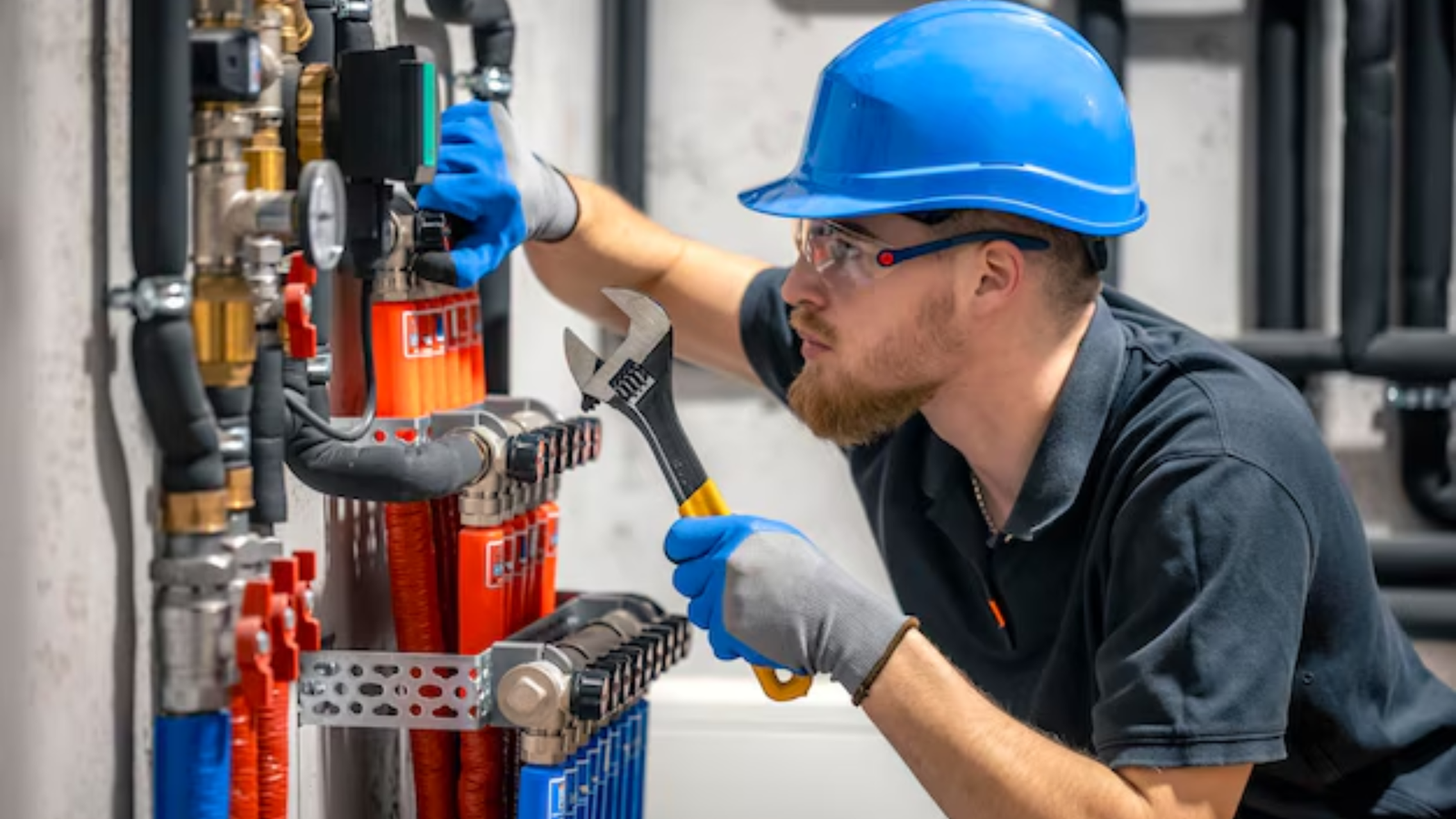
Energy Savings Through Preventative Maintenance
Many property owners focus only on repair costs, but preventative maintenance often delivers greater financial benefits through lower utility bills.
Clean filters improve airflow, properly functioning compressors consume less electricity, balanced water loops improve heat transfer, and calibrated controls maintain consistent indoor temperatures without overworking equipment.
Over the life of the system, these efficiency improvements can result in significant energy savings while reducing overall operating expenses.
For businesses operating multiple commercial WSHP systems, the cumulative savings can be substantial.
Conclusion
Proper maintenance is the key to maximizing the performance, efficiency, and lifespan of Water Source Heat Pumps. From routine filter replacements and water loop inspections to professional diagnostics and preventative servicing, every maintenance step contributes to lower operating costs and improved indoor comfort. At Smart Air NYC, we help building owners and facility managers keep their HVAC systems operating at peak efficiency with dependable maintenance solutions tailored to their needs.
Contact us today to schedule professional inspection, preventative maintenance, or expert support for your Water Source Heat Pump system and keep your building comfortable all year long.