
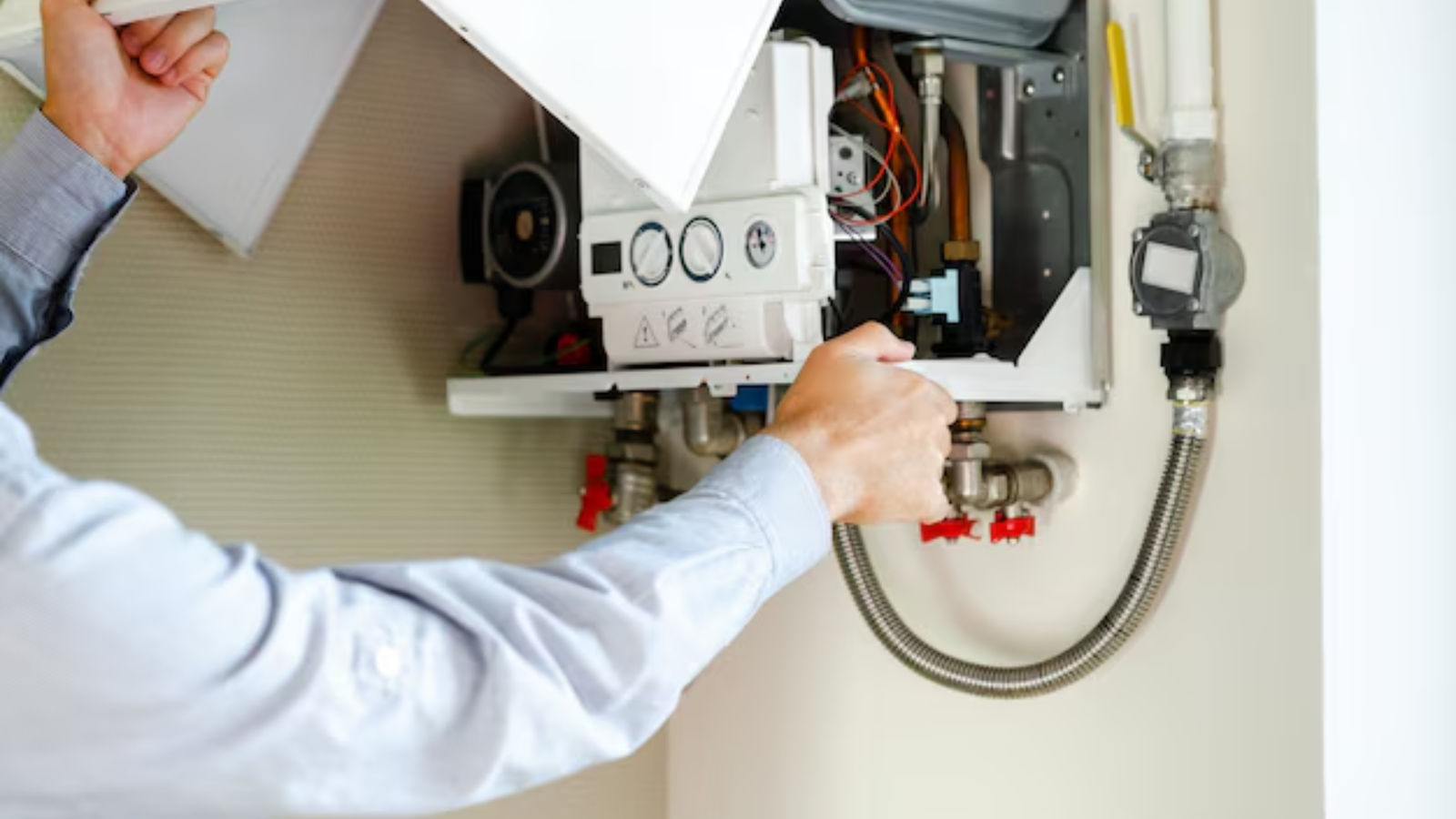
A reliable heating system is essential for maintaining comfort during the colder months. Whether you’re dealing with uneven heating, rising energy bills, or frequent repairs, knowing whether to repair, replace, or invest in gas furnace installation can save you money and improve your home’s comfort. At Smart Air NYC, we help homeowners and businesses make informed decisions based on the condition, efficiency, and performance of their heating systems. Understanding the difference between installing a new furnace and replacing an aging one can help you plan your investment wisely.
Why Does the Difference Between Installation and Replacement Matter?
Many property owners assume installation and replacement mean the same thing, but they serve different purposes. Understanding the distinction helps you choose the right solution based on your property’s needs.
A new installation is typically performed in a building that has never had a furnace before or when converting from another heating system. A replacement, on the other hand, involves removing an old or failing unit and installing a modern, more efficient model.
Choosing the correct service ensures your heating system delivers maximum comfort, improved energy efficiency, and long-term reliability.
What Is Gas Furnace Installation?
Installing a furnace involves selecting the appropriate heating system and connecting it to your home’s ductwork, gas lines, electrical components, and ventilation.
A professional furnace installation service includes:
Evaluating the heating requirements of the property.
Selecting the correct furnace size.
Installing gas and electrical connections.
Connecting ductwork.
Testing airflow and system performance.
Performing safety inspections.
A properly installed furnace operates more efficiently and typically experiences fewer problems throughout its lifespan.
When Is Furnace Replacement the Better Option?
If your current furnace has reached the end of its useful life, replacing it may be more economical than continuing repairs.
Several warning signs indicate it may be time for replacement.
Your Furnace Is More Than 15-20 Years Old
Most gas furnaces last between 15 and 20 years with proper maintenance. As they age, components wear out, efficiency declines, and repair costs increase.
Older systems also lack many of the energy-saving technologies found in modern furnaces.
Repairs Are Becoming Frequent
Occasional repairs are expected over time. However, if you’re scheduling service multiple times each heating season, replacement often provides better long-term value.
Instead of continually paying for repairs, investing in a new system eliminates recurring maintenance expenses.
Energy Bills Keep Increasing
An aging furnace consumes more fuel to produce the same amount of heat.
If your heating costs continue rising despite normal usage, reduced efficiency could be the cause.
Modern furnaces often achieve significantly higher efficiency ratings, reducing monthly utility bills.
Uneven Heating Throughout the Property
Cold rooms, inconsistent temperatures, and poor airflow often indicate your furnace can no longer distribute heat effectively.
Although ductwork issues can contribute, aging furnaces are frequently responsible for uneven heating performance.
When Should You Choose a New Installation Instead?
Not every situation involves replacing an old system. Sometimes a completely new gas furnace installation is the ideal solution.
Examples include:
New home construction.
Home additions requiring separate heating.
Converting from electric heating.
Replacing outdated boiler systems.
Commercial property renovations.
Professional planning ensures the furnace is properly sized for the building’s heating demands.
How Does Residential Furnace Installation Improve Home Comfort?
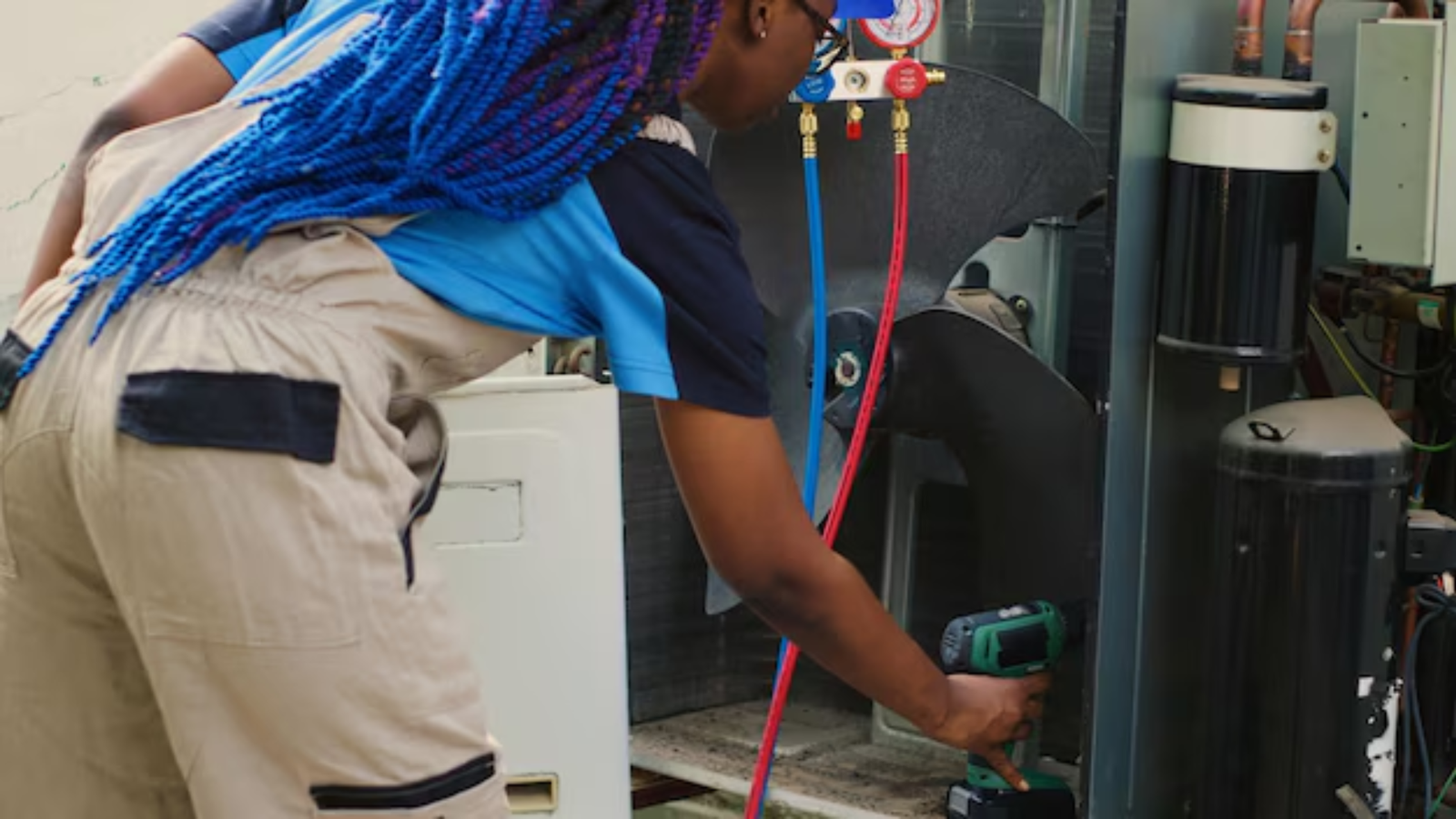
Heating needs vary from one home to another. A professional residential furnace installation focuses on providing consistent warmth while improving efficiency and indoor comfort.
Homeowners often notice:
Better temperature consistency throughout every room.
Improved indoor air circulation.
Reduced heating costs.
Quieter furnace operation.
Greater system reliability during winter.
Modern furnaces also integrate more effectively with programmable and smart thermostats, giving homeowners greater control over energy usage.
What Should Business Owners Know About Commercial Furnace Installation?
Commercial buildings require heating systems designed for larger spaces and heavier daily use.
A professional commercial furnace installation considers occupancy levels, operating hours, building layout, and ventilation requirements before selecting equipment.
Businesses benefit from:
Reliable heating during business hours.
Improved employee comfort.
Lower operating expenses.
Reduced downtime from unexpected failures.
Compliance with commercial building standards.
Proper installation minimizes future disruptions and supports efficient operation throughout the heating season.
How Can You Tell Your Furnace Is No Longer Efficient?
Efficiency gradually declines as heating systems age. While annual maintenance can slow this process, no furnace lasts forever.
Common indicators include:
Higher monthly gas bills.
Longer heating cycles.
Frequent thermostat adjustments.
Yellow pilot flame instead of blue.
Excessive dust around vents.
Strange noises during operation.
Reduced airflow from registers.
If several of these issues occur together, replacement should be considered.
What Are the Benefits of Upgrading to a Modern Furnace?
Today’s furnaces offer substantial improvements compared to systems manufactured even 15 years ago.
A modern upgrade provides:
Greater energy efficiency, helping reduce heating expenses throughout the winter.
Improved indoor comfort through consistent airflow and temperature control.
Enhanced safety features, including better monitoring systems and automatic shutoffs.
Quieter operation due to improved motor and blower technology.
Longer equipment lifespan when professionally maintained.
Many homeowners also appreciate the environmental benefits of using less fuel while maintaining comfortable indoor temperatures.
Why Is Professional Installation So Important?
Even the highest-quality furnace cannot perform properly if installed incorrectly.
Professional technicians calculate the correct furnace size, inspect ductwork, verify gas pressure, ensure safe venting, and test overall system performance before completing the project.
Improper installation may lead to:
Reduced efficiency.
Higher utility costs.
Poor airflow.
Shortened equipment lifespan.
Potential safety concerns.
Hiring experienced professionals helps protect your investment while ensuring dependable performance for years to come.
Repair or Upgrade: Which Option Saves More Money?
Many homeowners hesitate to replace a furnace because of the initial investment. However, continuing to repair an aging system often costs more over time.
If repairs are becoming frequent, energy bills continue rising, and your furnace is approaching the end of its lifespan, replacing the unit usually delivers greater long-term savings.
New systems require fewer repairs, consume less energy, and offer stronger manufacturer warranties, making them a practical investment for many households and businesses.
Conclusion
Choosing between repair, replacement, or gas furnace installation depends on your furnace’s age, condition, efficiency, and overall performance. While repairs may extend the life of a relatively new system, older units often become costly to maintain and less efficient over time. Investing in professional installation ensures dependable heating, improved comfort, and lower operating costs for years to come. Smart Air NYC is committed to helping homeowners and businesses find the right heating solution with expert guidance and quality workmanship.
Contact us today to schedule your furnace inspection or installation consultation and let our experienced team help you stay warm all winter long.