
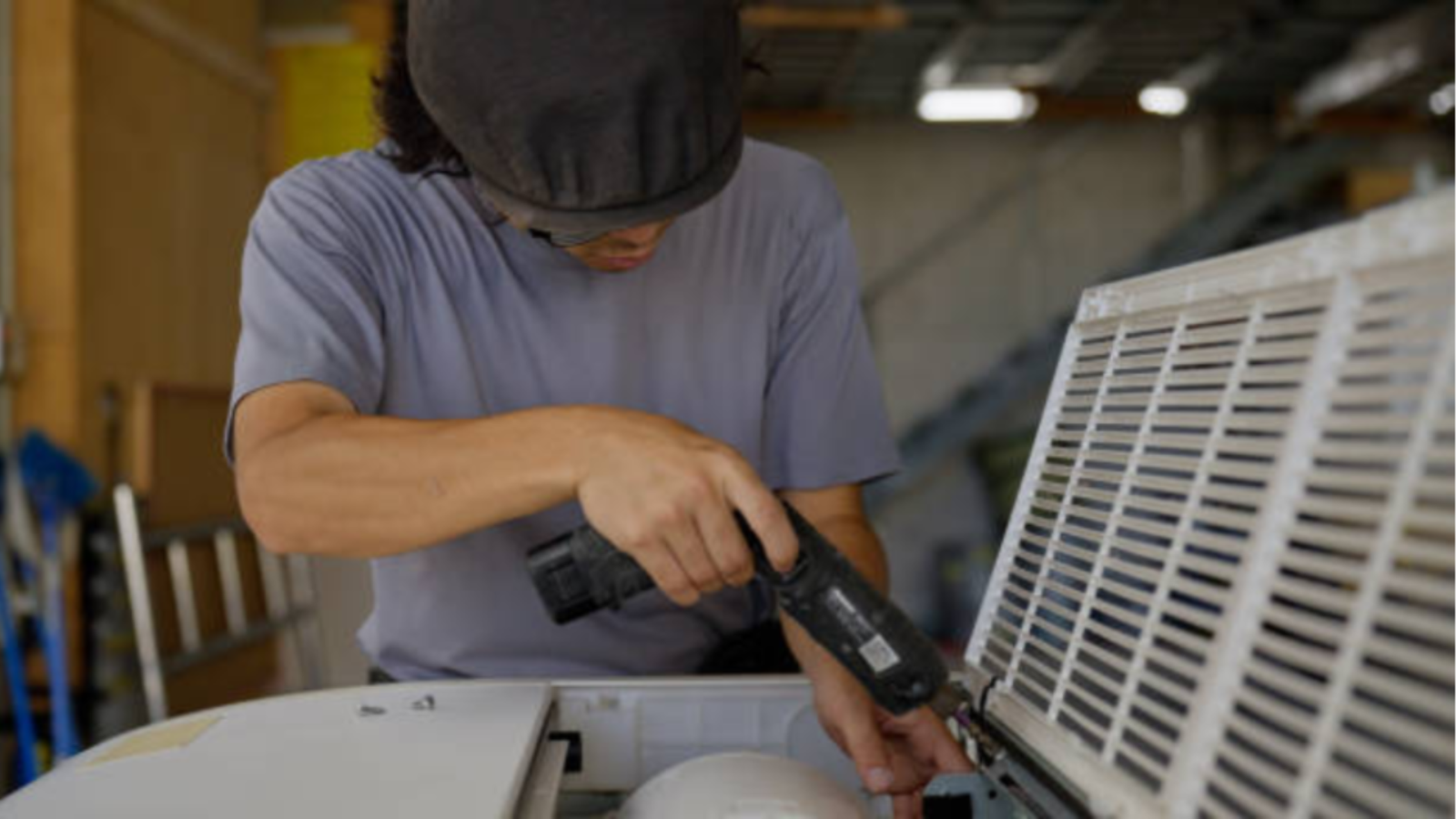
When it comes to maintaining comfort in multifamily buildings, hotels, and apartments, a PTAC Unit plays a critical role. For property owners in Queens, deciding whether to repair or replace a malfunctioning system can be challenging. At Smart Air NYC, we help property managers and homeowners make cost-effective decisions that balance performance, energy efficiency, and long-term savings.
In this guide, we’ll break down everything you need to know about repairing vs replacing your PTAC system, including costs, warning signs, and expert recommendations.
What Is a PTAC Unit and Why It Matters
A PTAC Unit (Packaged Terminal Air Conditioner) is commonly found in hotels, apartments, and senior living facilities. It provides both heating and cooling in a compact, self-contained system installed through an exterior wall.
Before diving into repair or replacement decisions, it’s important to understand why these systems are so widely used:
- Ideal for individual room temperature control
- Energy-efficient compared to central HVAC systems
- Easy installation and maintenance
- Popular in multi-unit properties across Queens
Because PTAC systems operate independently, a single failure won’t affect the entire building—but it still requires prompt attention.
Common PTAC Unit Problems in Queens Properties
Over time, even the most reliable systems develop issues. Understanding common problems can help you decide whether repair is sufficient.
Here are the most frequent PTAC issues:
- Weak airflow or uneven cooling
- Strange noises or vibrations
- Water leaks from the unit
- Thermostat malfunctions
- Frequent cycling on and off
- Complete system failure
If you’ve searched for ptac repair near me, chances are you’re already dealing with one of these problems.
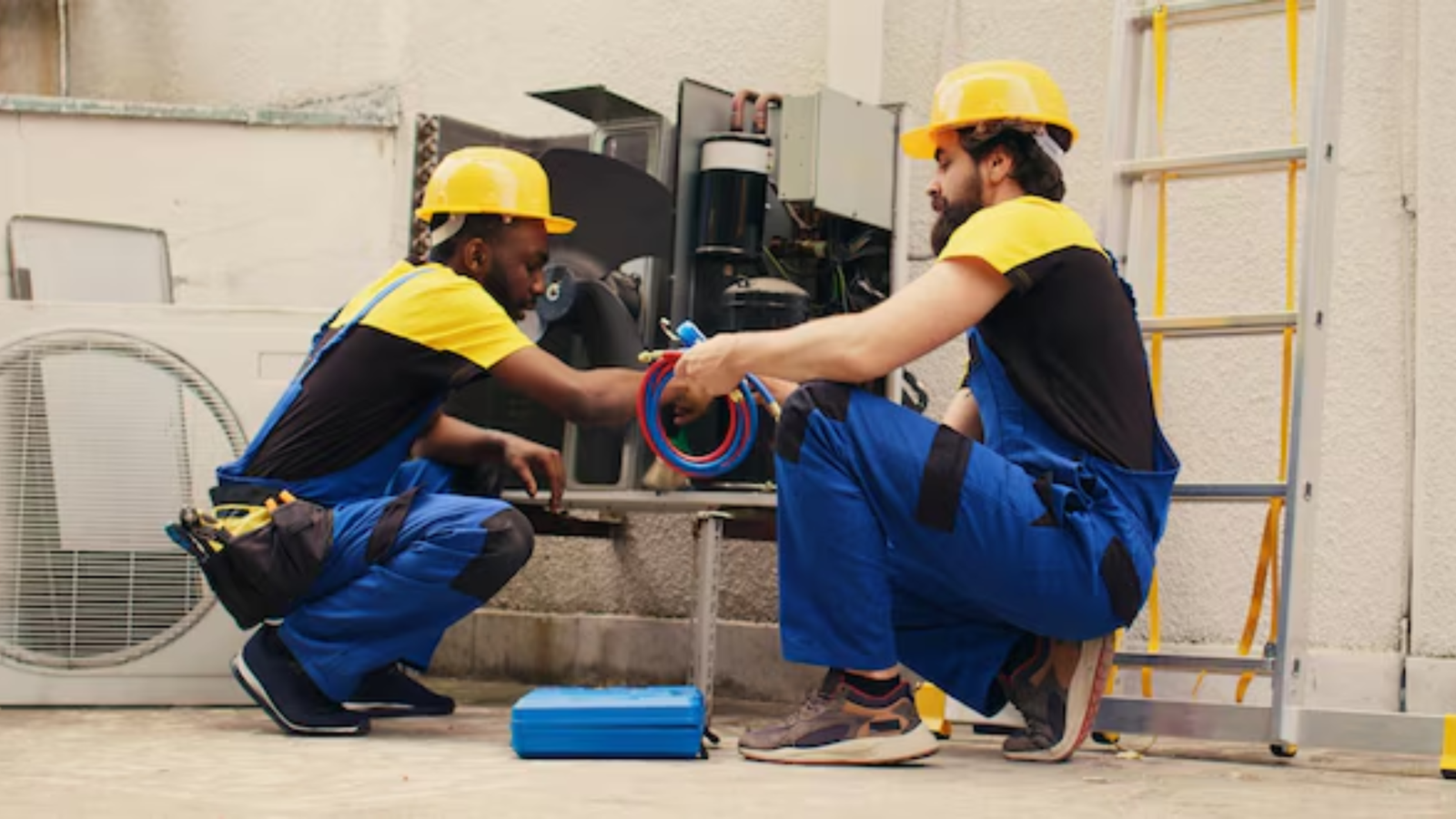
When PTAC Unit Repair Makes Sense
Repairing your PTAC Unit is often the best choice if the issue is minor and the system is relatively new.
Below are situations where repair is the smarter option:
- The unit is less than 7–10 years old
- The repair cost is low (under 30–40% of replacement cost)
- The issue is isolated (like a faulty thermostat or fan motor)
- The unit still operates efficiently overall
- Maintenance has been consistent
Quick repairs can extend the life of your system without requiring a major investment.
Signs Your PTAC Unit Needs Replacement
There comes a point when repairs are no longer cost-effective. Knowing when to replace your system can save you money in the long run.
Look for these signs:
- Unit is over 10–12 years old
- Frequent breakdowns and service calls
- Rising energy bills due to inefficiency
- Outdated technology or poor performance
- Major component failure (compressor, coil, etc.)
If you’re repeatedly searching for ptac unit repair near me, it may be time to consider replacement instead of another temporary fix.
Cost Comparison: Repair vs Replacement
Understanding the financial side is key for property owners managing multiple units.
Here’s a general comparison:
Repair Costs:
- Minor fixes: $100–$400
- Moderate repairs: $400–$800
- Major repairs: $800–$1,500
Replacement Costs:
- New PTAC unit: $700–$1,500
- Installation: $300–$800
- Total: $1,000–$2,500 per unit
If repair costs approach 50% or more of replacement, upgrading is typically the better long-term investment.
Energy Efficiency: A Key Decision Factor
Modern PTAC units are significantly more energy-efficient than older models. This can have a major impact on operating costs.
Benefits of newer units include:
- Lower electricity consumption
- Improved temperature control
- Eco-friendly refrigerants
- Reduced maintenance needs
If your current system is outdated, investing in ptac unit installation can lead to noticeable savings on energy bills.
Impact on Tenant Satisfaction and Property Value
For landlords and property managers in Queens, HVAC performance directly affects tenant satisfaction.
Here’s how your decision impacts your property:
- Reliable systems reduce tenant complaints
- New units enhance property value
- Quiet operation improves living experience
- Energy-efficient units attract eco-conscious renters
Replacing outdated PTAC units can be a strong selling point for prospective tenants.
Maintenance Tips to Extend PTAC Unit Life
Whether you repair or replace, proper maintenance is essential for longevity.
Follow these best practices:
- Clean or replace filters monthly
- Inspect coils and vents regularly
- Schedule professional servicing twice a year
- Keep the unit free from dust and debris
- Check for unusual sounds or leaks early
Routine maintenance reduces the need for emergency repairs and extends system lifespan.
How to Choose the Right HVAC Professional in Queens
Choosing a reliable service provider is just as important as the decision itself.
Look for the following:
- Licensed and insured technicians
- Experience with PTAC systems
- Transparent pricing and estimates
- Positive local reviews
- Emergency service availability
A trusted HVAC partner can guide you through both repair and replacement decisions with confidence.
Repair vs Replacement: Quick Decision Checklist
If you’re still unsure, use this quick checklist:
Choose Repair if:
- The unit is relatively new
- Repairs are affordable
- Performance is still good
Choose Replacement if:
- The unit is old or inefficient
- Repairs are frequent and costly
- You want better energy savings
This simple evaluation can help you make a faster, more informed decision.
Conclusion: Making the Smart Choice for Your Property
Deciding between repairing or replacing your PTAC Unit doesn’t have to be overwhelming. By considering factors like age, cost, efficiency, and tenant needs, you can make a decision that benefits both your budget and your property value.
At Smart Air NYC, we specialize in helping Queens property owners find the most practical and cost-effective HVAC solutions. Whether you need a quick fix or a full upgrade, our team is here to help.
Contact us today to schedule an inspection and get expert advice tailored to your property’s needs.